New Delhi, November 17, 2026: India’s expanding markets, company valuations and stronger consumption figures are presented as signs of economic progress. But development must also be measured by whether ordinary households can afford food, housing, healthcare, education and transport without stretching budgets or relying on debt.
Markets Are Not the Whole Story
A buoyant stock market can reflect investor confidence and expectations about corporate earnings. It does not show whether wages keep pace with living costs or whether small businesses and lower-income families share the gains. Growth becomes broad-based when its benefits reach households across income groups and regions.
“**What the Numbers Show**”
The Reserve Bank of India reported that private consumption grew 7.1 per cent year-on-year in the first quarter of 2026-27. Yet its September 2026 urban consumer confidence survey recorded a Current Situation Index of 87.9, below the neutral benchmark of 100. The RBI’s rural survey put the comparable index at 90.6. These figures do not mean households have stopped spending; they indicate cautious sentiment despite more positive expectations for future spending.
The RBI also noted that consumer non-durables growth remained subdued, while demand for durable goods and vehicles was stronger. Households may postpone discretionary purchases even when headline consumption or premium-market sales look healthy.
Purchasing Power Matters
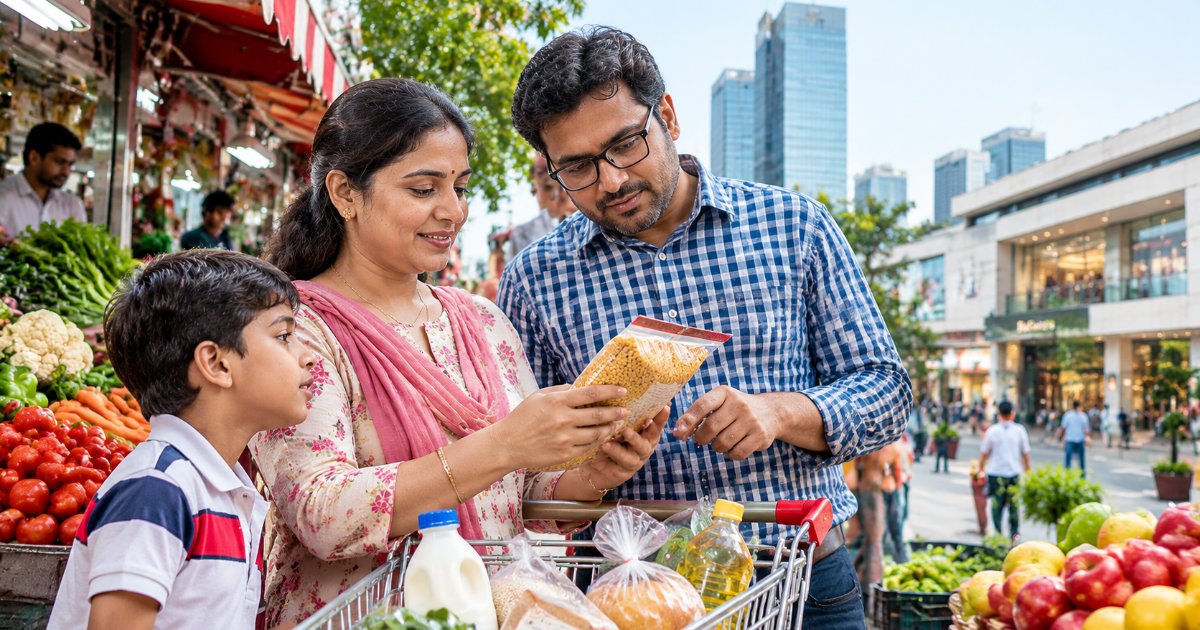
For many families, income is absorbed by food, rent, transport, school fees, medical expenses, electricity and loan repayments. A 2026 SEBI study drawing on MoSPI data said around 60 to 65 per cent of household spending goes towards necessities. When these costs rise faster than earnings, families have less money for savings, nutrition, education or purchases that support local businesses.
Making Growth More Inclusive
A stronger economy needs steady job creation, better wages and productive opportunities for women and young people. Support for small businesses, farmers and informal workers can spread income beyond large companies and major cities. Affordable healthcare, education, housing and public transport can reduce essential expenses and leave households with more disposable income.
Policymakers should track real wages, employment security, household debt, rural demand and goods costs alongside GDP, market capitalisation and investment. Targeted support for vulnerable families, reliable public services and stable prices can turn growth into everyday improvements.
India’s market performance matters, but it is not the final measure of prosperity. Development becomes meaningful when families feel financially secure, meet essential needs and have enough purchasing power to plan for the future.