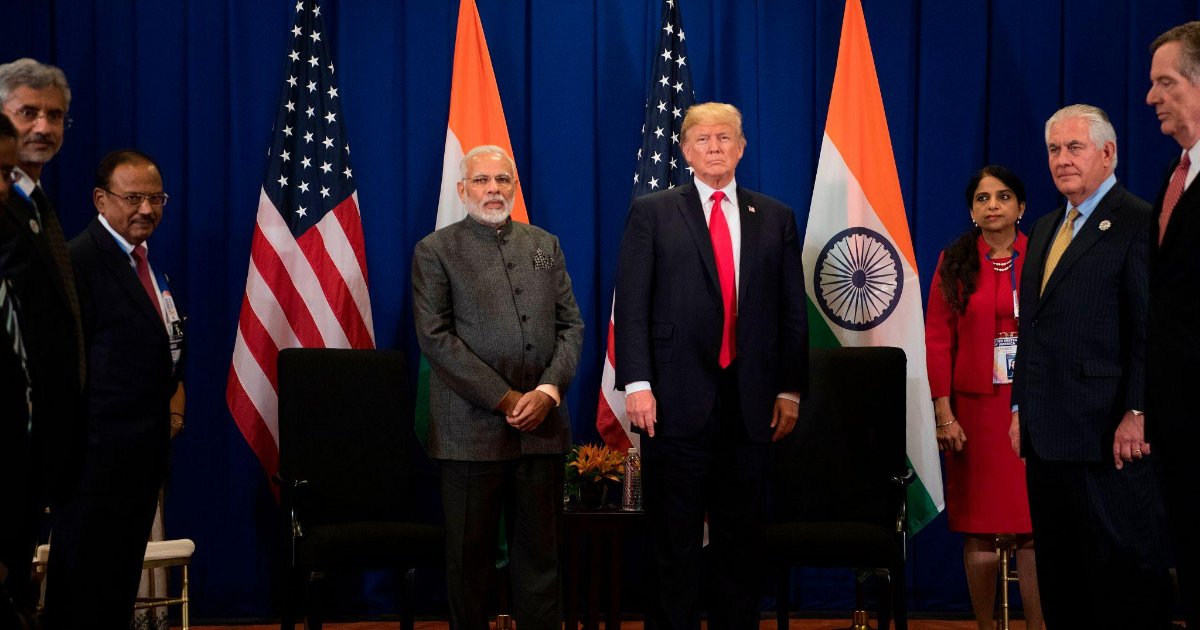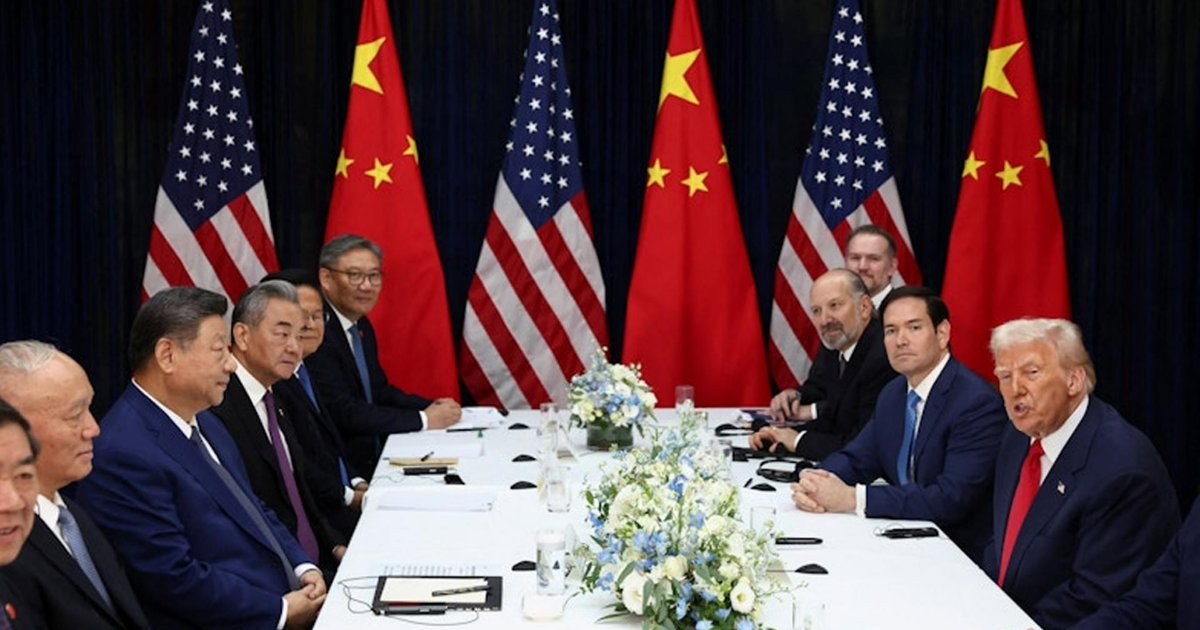
Washington, November 18, 2026: A new US Senate bill targeting China’s preferential trade treatment has added fresh pressure to Washington’s trade relationship with Beijing, just days before President Donald Trump is scheduled to meet Chinese President Xi Jinping in Shenzhen.
Bill Targets Trade Status
Democratic Senator Tammy Baldwin introduced the Ending China’s Special Treatment Act on November 17. The proposal would revoke China’s Permanent Normal Trade Relations status one year after enactment and shift Chinese imports to Column 2 tariff rates under the US Harmonized Tariff Schedule.
“Those rates are generally higher than the Column 1 rates currently applicable to China, although the exact tariff impact would vary by product. The bill would a…”
Baldwin’s Argument
Baldwin said the existing arrangement had failed to deliver the fair-trade relationship that supporters expected when China received permanent normal trade relations. She accused Beijing of market manipulation, intellectual-property theft and efforts to dominate strategic industries, while arguing that American workers and manufacturers had suffered.
Her office cited an Economic Policy Institute estimate that the growing US trade deficit with China was associated with 3.7 million American jobs lost between 2001 and 2018, including nearly 89,000 in Wisconsin.
Trump-Xi Meeting
The legislation comes immediately before Trump’s planned meeting with Xi on November 19 on the sidelines of the Asia-Pacific Economic Cooperation summit in Shenzhen. The timing gives the proposal additional political significance as Washington and Beijing attempt to preserve a fragile trade truce.
The two countries have recently discussed tariffs, agricultural purchases and implementation of earlier trade understandings. China has also extended several tariff and trade-restriction suspensions until January 10, 2027, according to a recent China trade update.
What Happens Next
The bill does not immediately change US tariffs. It would need approval from Congress and the President before becoming law. Because Trump could veto the measure, its immediate prospects remain uncertain.
However, the proposal signals that congressional pressure for a tougher China policy remains strong even while the White House pursues direct negotiations with Beijing.
For American companies and consumers, ending PNTR could eventually mean higher import costs for affected Chinese goods. For policymakers, the debate is increasingly about whether trade concessions should remain part of presidential diplomacy or be replaced by a longer-term statutory framework.
The debate could influence future supply-chain decisions.