Patna, November 15, 2026: Millions of devotees are observing Chhath Puja, a four-day festival celebrating the Sun, nature and family wellbeing. Deeply rooted in Bihar and eastern Uttar Pradesh, the occasion is often called the festival of people's faith because its rituals bring families and communities together without requiring elaborate temples or ceremonies.
Why Is Chhath Called a Festival of People's Faith?
Chhath is sustained through household traditions, folk songs and collective participation. Many households begin preparations weeks before the main rituals. Families clean homes, prepare offerings and gather at riverbanks, ponds and designated water bodies. Neighbours frequently help arrange baskets, lighting and safe access to ghats, while relatives travel home to participate. The festival honours Surya, the Sun God, and Chhathi Maiya, whom devotees associate with protection, prosperity and children's wellbeing. Its emphasis on gratitude to natural forces gives Chhath a distinctive place in regional culture.
Why Are Both the Setting and Rising Sun Worshipped?
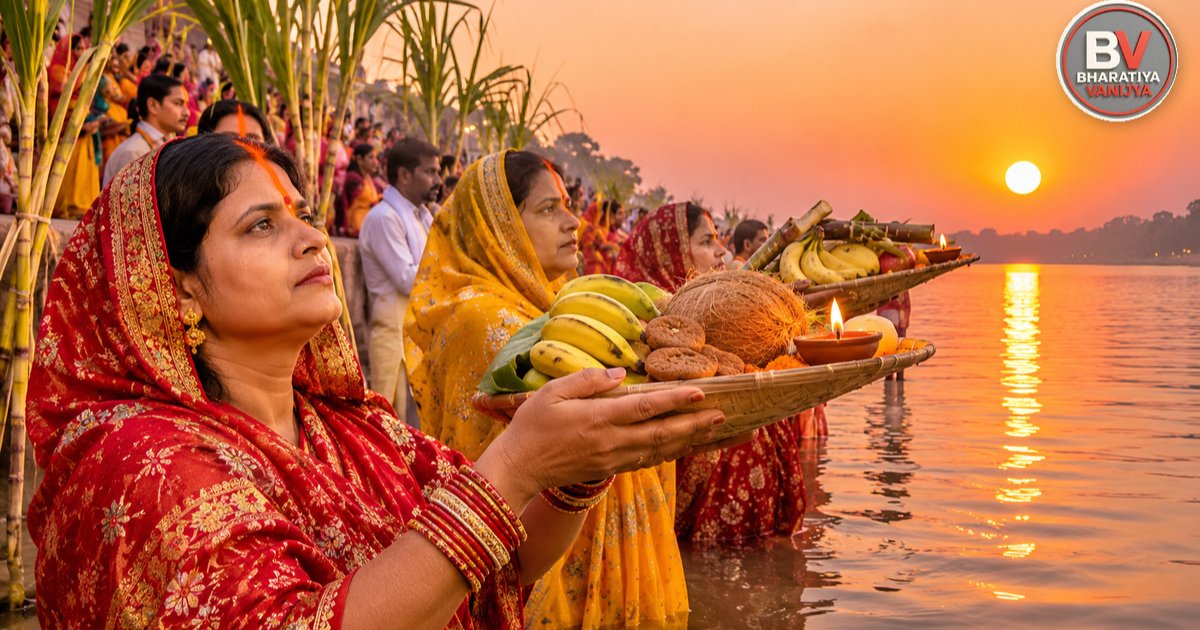
Unlike many religious observances that focus on sunrise, Chhath includes prayers to the setting Sun and the following morning's rising Sun. Devotees stand in water and present arghya, an offering made with water and traditional produce. For worshippers, the two moments express gratitude through the complete cycle of daylight. They also symbolise respect for endings and beginnings, although interpretations vary among families.
Four Days of Chhath Puja in 2026
This year's observance began with Nahay Khay on November 13, when devotees bathed and ate specially prepared food. Kharna followed on November 14, traditionally including fasting and an evening meal of prasad. On Sunday, November 15, devotees offer Sandhya Arghya to the setting Sun. The festival concludes on Monday, November 16, with Usha Arghya at sunrise and the breaking of the fast.
Traditional Offerings and Community Traditions
Bamboo baskets commonly carry thekua, bananas, coconuts, sugarcane and seasonal fruits. Earthen lamps and songs help create the familiar atmosphere at ghats. Recipes, customs and arrangements differ across communities. Some participants undertake a demanding fast, while others support the rituals through preparation and service. The practice should be approached with care, particularly by people with medical conditions.
A Festival Beyond Bihar
Migration has carried Chhath to Delhi, Mumbai and other Indian cities, as well as communities abroad. Although celebrations differ in scale, shared devotion and family participation remain central. In 2026, the festival again demonstrates how local traditions can connect generations across distances.